
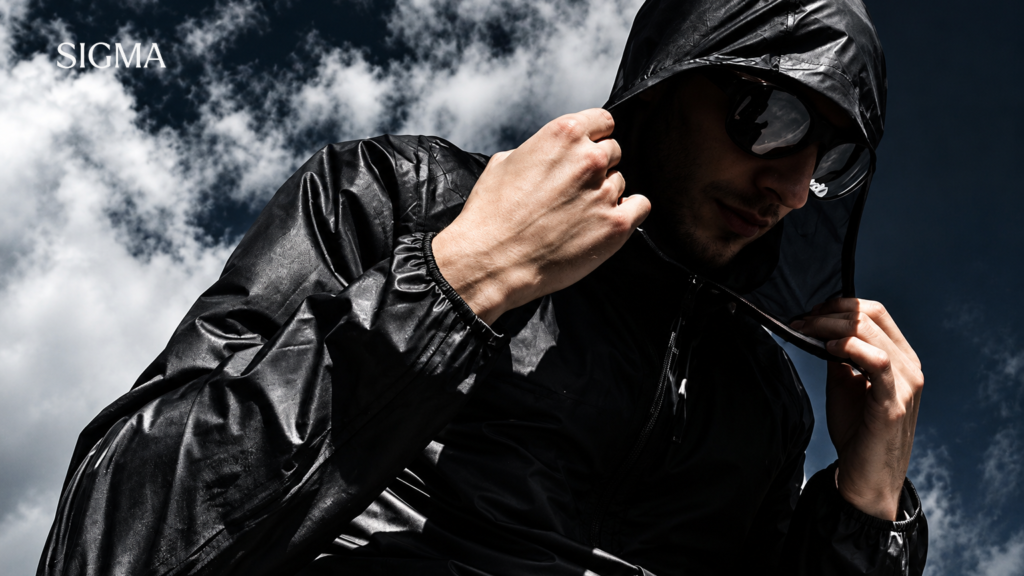
Bangladesh is home to a major garment manufacturing industry and a growing market for online clothing businesses. From fashion boutiques and clothing brands in Dhaka to garment manufacturers in Gazipur and Narayanganj, professional clothing photography plays an important role in presenting products to customers.
Whether you sell sarees, panjabis, kurtis, salwar kameez, denim, T-shirts, or premium fashion collections, high-quality product images help customers understand fabric quality, garment design, colours, and important details before purchasing.
However, photographing clothing requires more than a good camera. Wrinkles, fabric textures, embroidery, stitching, lighting reflections, and inaccurate colours can affect the final product image.
Choosing the best lens for clothing photography helps photographers capture sharp garment details, maintain natural proportions, and create consistent e-commerce catalog images.
SIGMA offers professional and versatile lenses suitable for flat-lay photography, mannequin photography, clothing catalogs, fabric close-ups, and fashion e-commerce campaigns.
In this guide, we explore the best SIGMA lenses for garment photography in Bangladesh, compare their prices, and explain practical studio techniques for producing professional clothing images.
Why Lens Selection Matters for Garment and Clothing Photography
Clothing photography is different from general product photography because garments contain flexible materials, folds, patterns, and small details that must appear accurately.
A professional garment photograph should clearly show the clothing’s shape, construction, colour, and texture.
Capturing Fabric Texture and Stitching
Customers purchasing clothing online often want to examine fabric texture, embroidery, stitching, buttons, and decorative elements.
A sharp lens helps photographers capture these details, especially when customers zoom in on product images.
Maintaining Natural Garment Proportions
Wide-angle lenses used too close to a garment can exaggerate its shape.
For example, photographing a shirt or dress from an incorrect position may make the sleeves, shoulders, or lower sections appear distorted.
Standard and short-telephoto focal lengths are often preferable for maintaining natural-looking clothing proportions.
Creating Consistent Product Catalogs
Professional clothing catalogs require consistency.
Every product should have similar framing, lighting, camera angles, and background colours.
A suitable lens combined with a fixed studio setup helps photographers produce repeatable images for large garment collections.
Supporting Accurate Colour Presentation
Customers need to distinguish between similar clothing shades.
Lens quality contributes to image clarity and optical rendering, but accurate colour reproduction also depends heavily on lighting, white balance, camera settings, and editing.
Professional clothing photographers should prioritize consistent colour management throughout the photography process.
What Is the Best Focal Length for Clothing Photography?
The ideal focal length depends on the camera sensor, garment size, available studio space, and photography style.
For full-frame cameras, approximately 35mm to 70mm is a practical range for many flat-lay and mannequin photographs.
Longer focal lengths such as 85mm or 105mm can be useful for model photographs and close-up garment details.
For APS-C cameras, focal lengths around 23mm to 50mm provide useful coverage for clothing catalogs.
Photographers should avoid using extremely wide perspectives unless necessary, particularly when shooting complete garments.
The objective is to present clothing attractively without changing its apparent shape.
Best SIGMA Lenses for Garment and Clothing Photography in Bangladesh
Different garment photography techniques require different lenses.
The following SIGMA models offer practical options for clothing brands, professional studios, and online fashion businesses.
1. SIGMA 18-50mm F2.8 DC DN | Contemporary — Best Overall for APS-C Clothing Photography
The SIGMA 18-50mm F2.8 DC DN | Contemporary is an excellent all-round lens for clothing photographers using compatible APS-C mirrorless cameras.
Its flexible zoom range makes it suitable for photographing folded garments, flat-lay clothing arrangements, mannequin displays, and detailed product compositions.
The 18mm setting provides wider coverage when photographing larger products, while longer focal lengths offer more natural framing for garment details.
Its constant F2.8 maximum aperture is useful for studio flexibility, although smaller apertures are generally recommended for complete catalog photographs.
Key Features:
- 18-50mm standard zoom range
- Constant F2.8 maximum aperture
- Compact APS-C mirrorless design
- Fast autofocus with stepping motor
- Useful close-focusing capability
- Available in selected Sony E, Canon RF, Fujifilm X, and L-Mount versions
Best For: Clothing catalogs, boutique photography, flat-lay garments, and everyday e-commerce photography.
For small clothing businesses operating home studios, this lens provides flexibility without requiring frequent lens changes.
Listed Bangladesh Price: ৳61,700
2. SIGMA 24-70mm F2.8 DG DN II | Art — Best for Professional Clothing Studios
The SIGMA 24-70mm F2.8 DG DN II | Art is a professional standard zoom designed for compatible full-frame mirrorless cameras.
It is particularly suitable for garment photography studios handling multiple clothing categories.
The 24-70mm zoom range allows photographers to move between wider product compositions, mannequin images, and closer garment details.
Its optical performance provides detailed rendering that is useful when photographing patterned fabrics, embroidered garments, and premium clothing collections.
Key Features:
- 24-70mm flexible zoom range
- Constant F2.8 aperture
- Full-frame mirrorless compatibility
- High-resolution Art-series optics
- Fast autofocus performance
- Sony E-mount and L-Mount options
Best For: Professional clothing catalogs, fashion e-commerce brands, garment photography studios, and commercial assignments.
For photography teams regularly handling high-volume product shoots, this lens can serve as a primary studio zoom.
Listed Bangladesh Price: ৳136,700
3. SIGMA 45mm F2.8 DG | Contemporary — Best for Flat-Lay Clothing Photography
The SIGMA 45mm F2.8 DG | Contemporary is a compact standard prime lens designed for full-frame mirrorless cameras.
Its natural-looking perspective makes it useful for photographing garments arranged on a flat surface.
Flat-lay photography involves positioning clothing on a background and photographing it directly from above.
A standard focal length helps reduce the need for extreme wide-angle framing.
The 45mm lens is especially practical for T-shirts, folded garments, scarves, children’s clothing, and smaller clothing arrangements.
However, photographers need sufficient camera height to capture larger garments in one frame.
Key Features:
- Fixed 45mm focal length
- F2.8 maximum aperture
- Compact and lightweight construction
- Full-frame mirrorless design
- 24cm minimum focusing distance
- Sony E-mount and L-Mount options
Best For: Flat-lay compositions, folded clothing, boutique catalog photography, and tabletop garment displays.
For studios using an overhead camera mount, a compact prime lens can be particularly convenient.
Listed Bangladesh Price: ৳81,200
4. SIGMA 105mm F2.8 DG DN MACRO | Art — Best for Fabric Texture and Embroidery
The SIGMA 105mm F2.8 DG DN MACRO | Art is an excellent lens for photographers who need detailed close-up images of clothing materials.
Premium garments often include intricate embroidery, fine stitching, woven textures, decorative buttons, and handcrafted embellishments.
These details can be difficult to show clearly using ordinary full-garment photographs.
The 105mm macro lens provides true 1:1 maximum magnification, making it suitable for documenting small garment features.
Its longer focal length also allows photographers to work from a comfortable distance when photographing delicate fabrics.
Key Features:
- 105mm macro focal length
- True 1:1 maximum magnification
- F2.8 maximum aperture
- Full-frame Art-series optical design
- Precise close-up focusing
- Sony E-mount and L-Mount compatibility
Best For: Fabric textures, embroidery, stitching, buttons, labels, and premium garment details.
For clothing brands selling embroidered panjabis, designer sarees, luxury outfits, or handcrafted garments, close-up photography helps communicate material quality.
Listed Bangladesh Price: ৳99,900
5. SIGMA 56mm F1.4 DC DN | Contemporary — Best for On-Model Clothing Photography
The SIGMA 56mm F1.4 DC DN | Contemporary is a compact portrait lens for APS-C mirrorless cameras.
It is particularly useful for fashion e-commerce businesses that photograph clothing on models.
On-model photographs help customers understand how garments fit, drape, and appear when worn.
The 56mm focal length provides a short-telephoto perspective on APS-C cameras, making it suitable for flattering model photographs.
Its wide F1.4 maximum aperture is valuable for creative fashion campaigns.
For standard clothing catalogs, however, stopping down the aperture helps keep more garment details sharp.
Key Features:
- Fixed 56mm focal length
- Bright F1.4 maximum aperture
- APS-C mirrorless design
- Compact construction
- Fast autofocus
- Available for selected mirrorless camera mounts
Best For: Fashion model photography, boutique campaigns, clothing advertisements, and lifestyle product images.
Photographers should ensure they have enough studio space for full-length model photographs.
Listed Bangladesh Price: ৳49,700–৳57,300, depending on mount
6. SIGMA 28-70mm F2.8 DG DN | Contemporary — Best Compact Full-Frame Zoom
The SIGMA 28-70mm F2.8 DG DN | Contemporary is a practical option for full-frame photographers who prefer a smaller standard zoom.
Its focal range is useful for mannequin displays, folded garments, fashion accessories, and catalog photography.
The 28mm wide end provides useful coverage, while the 70mm setting is suitable for closer garment compositions.
Compared with a larger professional studio zoom, its compact construction is convenient for smaller shooting spaces and photographers who regularly move equipment.
Best For: Small commercial studios, online boutiques, garment catalogs, and general clothing photography.
Listed Bangladesh Price: ৳108,700
SIGMA Lens Price Comparison in Bangladesh
The price of a SIGMA lens depends on its focal length, optical design, camera format, and product series.
The following prices were listed on SIGMA Bangladesh on 16 October 2026.
| SIGMA Lens | Best Application | Listed Price |
|---|---|---|
| SIGMA 18-50mm F2.8 DC DN Contemporary | APS-C garment catalogs | ৳61,700 |
| SIGMA 24-70mm F2.8 DG DN II Art | Professional studios | ৳136,700 |
| SIGMA 45mm F2.8 DG Contemporary | Flat-lay clothing | ৳81,200 |
| SIGMA 105mm F2.8 DG DN MACRO Art | Fabric and embroidery close-ups | ৳99,900 |
| SIGMA 56mm F1.4 DC DN Contemporary | On-model fashion photography | ৳49,700–৳57,300 |
| SIGMA 28-70mm F2.8 DG DN Contemporary | Compact full-frame studios | ৳108,700 |
Prices may change depending on product listings and camera mounts. Confirm availability, current pricing, and warranty details before purchasing.
How to Photograph Clothing for E-commerce Websites
Professional clothing photography requires consistent styling, controlled lighting, and an organized workflow.
The following techniques are especially useful for garment brands and online retailers in Bangladesh.
1. Flat-Lay Clothing Photography
Flat-lay photography is one of the most popular methods for displaying clothes online.
The garment is placed on a flat background and photographed from directly above.
This technique works particularly well for T-shirts, kurtis, scarves, jeans, children’s clothing, and fashion accessories.
How to create professional flat-lay photographs:
- Select a clean, neutral background.
- Steam or iron the garment before positioning it.
- Arrange sleeves, collars, and fabric folds naturally.
- Position the camera directly above the garment.
- Keep the camera sensor parallel to the shooting surface.
- Use soft lighting to control unwanted shadows.
- Maintain consistent framing between products.
A standard zoom or prime lens is usually preferable to an extremely wide-angle lens.
The SIGMA 18-50mm F2.8 DC DN Contemporary and 45mm F2.8 DG Contemporary are practical options for this technique.
2. Mannequin Photography for Clothing Catalogs
Mannequin photography helps buyers understand the structure and shape of a garment.
It is especially useful for shirts, jackets, dresses, panjabis, and formal clothing.
Place the mannequin against a clean background with enough space between the subject and the backdrop.
Position the camera at an appropriate height and avoid tilting it excessively upward or downward.
Use symmetrical lighting to maintain consistent exposure.
For standard catalog images, keep the complete garment sharp and ensure details remain clearly visible.
3. Ghost Mannequin Photography
Ghost mannequin photography creates the appearance of clothing being worn without a visible mannequin.
This technique is common in professional apparel catalogs because it shows garment shape without distracting from the product.
Photographers normally capture the clothing on a mannequin, photograph necessary interior sections separately, and combine the images during editing.
The final result should maintain accurate garment proportions and construction details.
A flexible lens such as the SIGMA 24-70mm F2.8 DG DN II Art is particularly suitable for producing consistent mannequin compositions.
4. Fabric Texture and Embroidery Photography
Fabric details are important for premium fashion products.
Customers purchasing embroidered clothing, silk garments, designer sarees, or handmade outfits may want to examine small decorative elements.
Use controlled directional lighting to reveal fabric texture without producing harsh reflections.
A macro lens allows photographers to capture individual stitching patterns, threads, embroidery, and decorative finishes.
The SIGMA 105mm F2.8 DG DN MACRO Art is especially useful for these detailed photographs.
5. On-Model Fashion E-commerce Photography
On-model photography demonstrates how clothing fits and moves.
It is useful for dresses, ethnic wear, casual fashion, and premium boutique collections.
Use a suitable standard or portrait focal length to maintain natural body proportions.
For commercial catalog images, avoid excessive background blur that hides garment edges or important design elements.
Fashion campaign images can use shallower depth of field when a more creative visual style is desired.
Recommended Camera Settings for Clothing Photography
Correct camera settings help maintain consistent exposure, sharpness, and colour across an entire garment catalog.
| Camera Setting | Recommended Starting Point |
|---|---|
| Shooting Mode | Manual or Aperture Priority |
| Aperture | f/5.6–f/8 for catalog photographs |
| ISO | ISO 100–200 when possible |
| Shutter Speed | Adjust according to lighting and flash synchronization |
| White Balance | Custom or consistent setting matched to lighting |
| Focus | Single-point autofocus or manual focus |
| File Format | RAW |
| Accessories | Tripod, studio lights, grey card, and remote shutter release |
For clothing catalogs, F5.6 to F8 is often a useful starting point because it provides sufficient depth of field for most garments.
Keep ISO low whenever possible to preserve detail in fabric textures.
When using continuous lights, adjust shutter speed according to exposure and camera stability. When using flash, remain within the camera’s supported synchronization settings.
Shoot in RAW to maintain flexibility during editing, particularly when correcting exposure and white balance.
Lighting Tips for Professional Garment Photography
Lighting is essential for producing accurate and attractive garment photographs.
Use Soft, Even Studio Lighting
Large softboxes or diffused light sources help illuminate clothing evenly.
Position lights carefully to reduce harsh shadows while preserving enough contrast to reveal texture.
Avoid mixing daylight with artificial lighting of substantially different colour temperatures unless you can control the final colour accurately.
Maintain Accurate Fabric Colours
Colour accuracy is particularly important for online clothing stores.
A navy-blue shirt should not appear black, and a cream garment should not look bright white.
Use a grey card or colour reference chart to establish consistent white balance.
A calibrated editing monitor can also help photographers make more reliable colour adjustments.
Control Shadows and Reflections
Glossy fabrics, silk, satin, and embroidered materials can reflect light strongly.
Move or diffuse your light sources to control reflections without removing the natural appearance of the fabric.
For textured materials, gentle directional lighting can help show weave and surface details.
How to Create a Consistent Fashion E-commerce Catalog
A successful clothing catalog requires more than attractive individual photographs.
Every image should follow a consistent visual system.
For each clothing product, consider capturing the front view, back view, an angled or side view where useful, a fabric close-up, and a photograph showing branding or special design details.
Use the same backdrop, lighting arrangement, and camera height for similar product categories.
Keep the garment centred and leave consistent space around the edges.
For online stores, maintain a standard image ratio across product collections.
Save original RAW files and prepare optimized JPEG images in the sRGB colour space for website use.
Use descriptive filenames containing the product SKU, colour, and shooting angle.
For example, cotton-panjabi-blue-front.jpg is more descriptive than IMG_001.jpg.
An organized catalog workflow makes it easier to manage hundreds of garments without sacrificing image consistency.
Common Garment Photography Mistakes to Avoid
Even experienced photographers can encounter issues when working with fabrics and clothing.
Using an overly wide lens: Shooting too close with a wide-angle lens may distort sleeves, shoulders, and garment proportions.
Ignoring fabric preparation: Wrinkles, dust, loose threads, and uneven folds can reduce the professional appearance of an image.
Inconsistent lighting: Different light positions can cause variations in brightness and colour between products.
Excessive background blur: Catalog images should generally keep the complete garment visible and reasonably sharp.
Overediting product colours: Heavy colour adjustments may make garments look different from their actual appearance.
Changing framing between products: Inconsistent camera positions can make a clothing collection look unorganized.
Correcting these issues helps brands create more reliable and attractive product presentations.
Choosing the Best SIGMA Lens for Your Clothing Business
The right lens depends on your camera system, studio size, and photography requirements.
For small clothing boutiques using APS-C mirrorless cameras, the SIGMA 18-50mm F2.8 DC DN Contemporary is a versatile starting point.
Professional studios using full-frame mirrorless cameras can benefit from the SIGMA 24-70mm F2.8 DG DN II Art.
For flat-lay product photography, a compact standard prime such as the SIGMA 45mm F2.8 DG Contemporary is useful when sufficient overhead shooting space is available.
Garment manufacturers and premium fashion brands requiring detailed embroidery photographs may benefit from the SIGMA 105mm F2.8 DG DN MACRO Art.
For on-model clothing campaigns with compatible APS-C cameras, the SIGMA 56mm F1.4 DC DN Contemporary offers a useful portrait perspective.
Photographers exploring product photography beyond garments can also read the SIGMA Lenses for Product and E-commerce Photography in Bangladesh guide.
Where to Buy SIGMA Lenses for Clothing Photography in Bangladesh
When investing in professional photography equipment, camera compatibility, product authenticity, warranty coverage, and after-sales support are important considerations.
SIGMA Bangladesh provides information about SIGMA lenses, Bangladesh prices, product specifications, and available support services.
Hope Enterprises Bangladesh is the exclusive authorized importer and distributor of SIGMA products in Bangladesh, as identified in the official warranty policy.
Photographers can explore the SIGMA Contemporary lens collection for compact zooms and prime lenses suitable for studio use.
Before purchasing, check the camera sensor format and required lens mount.
Buyers should also review the SIGMA Bangladesh warranty policy to understand product registration, coverage eligibility, and warranty requirements.
For commercial studios regularly photographing garments, dependable equipment support is particularly valuable.
Frequently Asked Questions
1. What is the best lens for clothing photography?
A standard zoom lens is usually the most versatile choice for clothing photography. The SIGMA 18-50mm F2.8 DC DN Contemporary is an excellent option for compatible APS-C cameras, while the SIGMA 24-70mm F2.8 DG DN II Art is suitable for professional full-frame studios.
2. Which SIGMA lens is best for garment photography in Bangladesh?
The best lens depends on the shooting style. The SIGMA 18-50mm is useful for everyday garment catalogs, the SIGMA 45mm F2.8 DG Contemporary suits flat-lay arrangements, and the SIGMA 105mm F2.8 DG DN MACRO Art is ideal for embroidery and fabric close-ups.
3. What aperture is best for clothing product photography?
F5.6 to F8 is a practical starting range for most studio clothing catalogs. These settings help keep the garment sharp while maintaining good image quality. For creative on-model photographs, wider apertures may be useful.
4. Is a macro lens necessary for garment photography?
A macro lens is not necessary for photographing complete garments. However, it is particularly useful for capturing detailed embroidery, stitching, fabric textures, buttons, and decorative features.
5. Can SIGMA lenses be used for fashion e-commerce photography?
Yes. Compatible SIGMA lenses can be used for flat-lay photography, mannequin images, fashion models, catalog photographs, and detailed garment close-ups. Choose the appropriate focal length and camera mount for your setup.
6. Where can I find SIGMA lens prices in Bangladesh?
Visit the official SIGMA Bangladesh website to explore lens specifications, compare current product listings, and review applicable warranty information.
Conclusion
Choosing the best Sigma lens for garment and clothing photography in Bangladesh depends on your camera system, studio setup, and the type of clothing you photograph.
For APS-C users, the SIGMA 18-50mm F2.8 DC DN Contemporary provides an excellent balance of versatility and portability.
Professional full-frame studios can benefit from the SIGMA 24-70mm F2.8 DG DN II Art, while photographers focusing on embroidery and detailed fabric textures may prefer the SIGMA 105mm F2.8 DG DN MACRO Art.
Regardless of the lens selected, professional garment photography requires consistent lighting, careful styling, accurate colours, and an organized catalog workflow.
Explore SIGMA Bangladesh to compare compatible lenses, check the latest Bangladesh prices, and find suitable equipment for your next clothing photography project.
